Learn more.
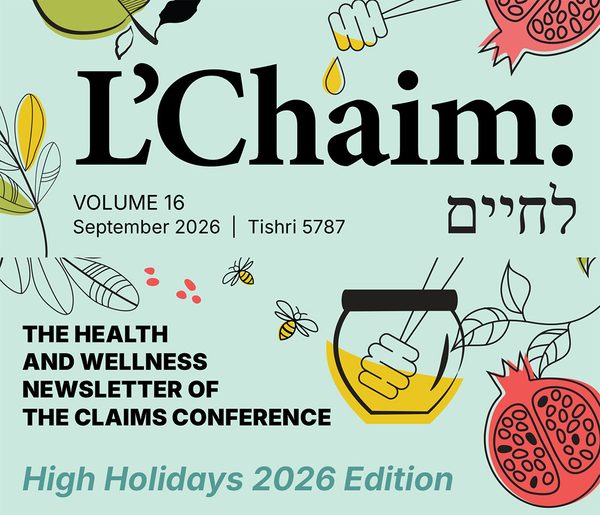
View the latest edition of the Claims Conference Health and Wellness Newsletter in English and на русском.
Learn more.

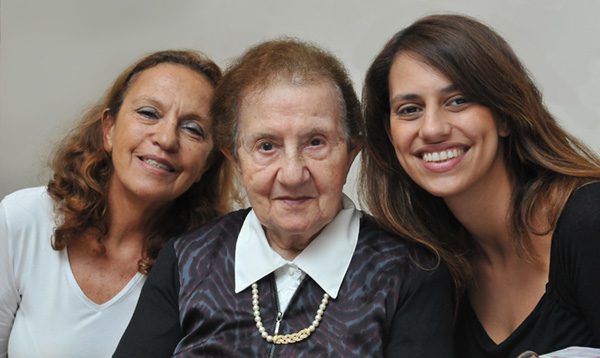
The Claims Conference continues to provide support and care for Holocaust survivors in Israel during the ongoing conflict.

Join us!
Working at the Claims Conference is more than just a job. It’s a chance to be part of history. Join us in our mission to provide a measure of justice to Holocaust survivors around the world.Learn more.

New Claims Conference Information Portal for Holocaust Survivors

Register here to create a personal account with the Claims Conference. Once registered you will be able to check on the status of applications, see previous payments, complete proof of life and receive personalized information.

Paneem Digital Certification
Paneem is designed to make the process of identity verification easier and faster for all of our claimants. Please only use PANEEM if you received a letter or email requesting that you verify your identity through PANEEM.

Request a printed life certificate instead of using Paneem

If you received a request to submit proof of life using Paneem and cannot complete the process: A paper Proof of Life form is available here instead of using Paneem.
News and Updates
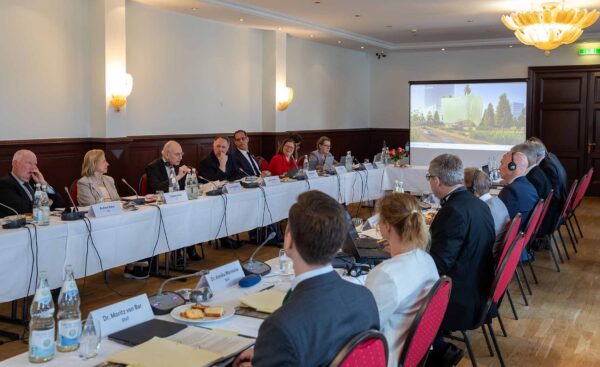
Negotiations 2025
Over $1 Billion In Home Care Secured By The Claims Conference For Holocaust Survivors Globally — Largest Social Welfare Budget In The Organization’s History

Hardship Fund Supplemental Payment
The Hardship Fund Supplemental Payment is open to certain Jewish Nazi Victims who have previously been approved for a Hardship Fund payment. Learn more

Strength of Courage Film Series
The Claims Conference and Museum of Jewish Heritage Kick Off Global Film Series in Commemoration of Holocaust Remembrance Day, April 13-20, 2026. Learn more
Social Media Campaigns
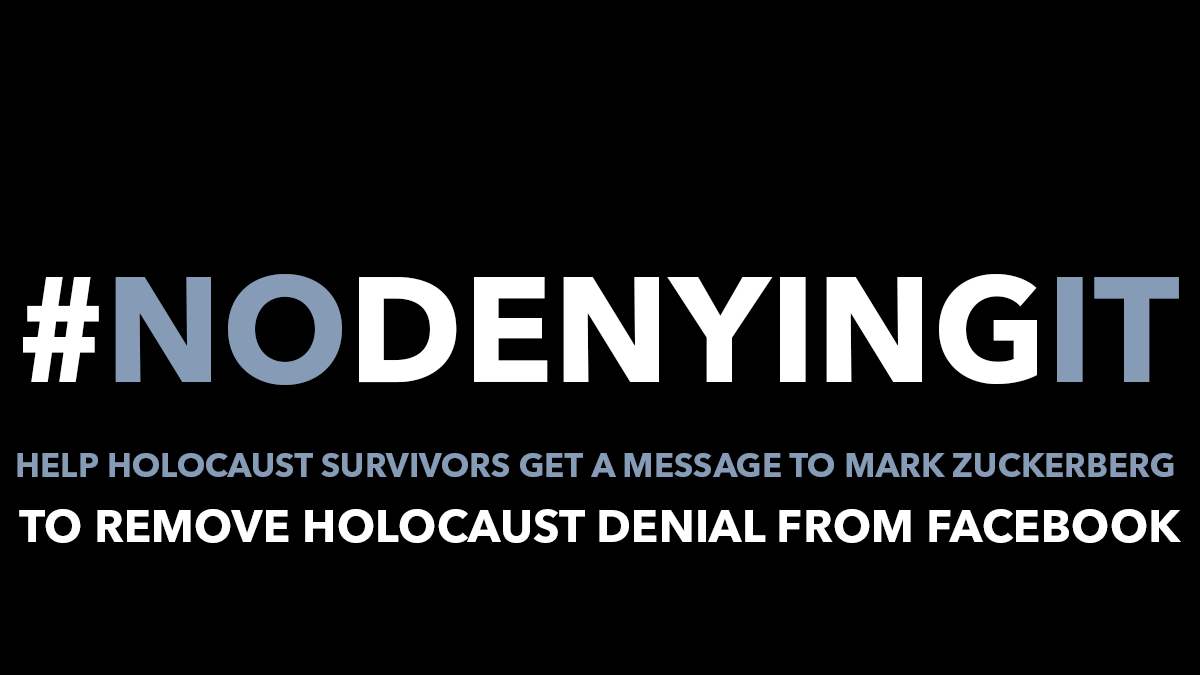
#No
Denying
It
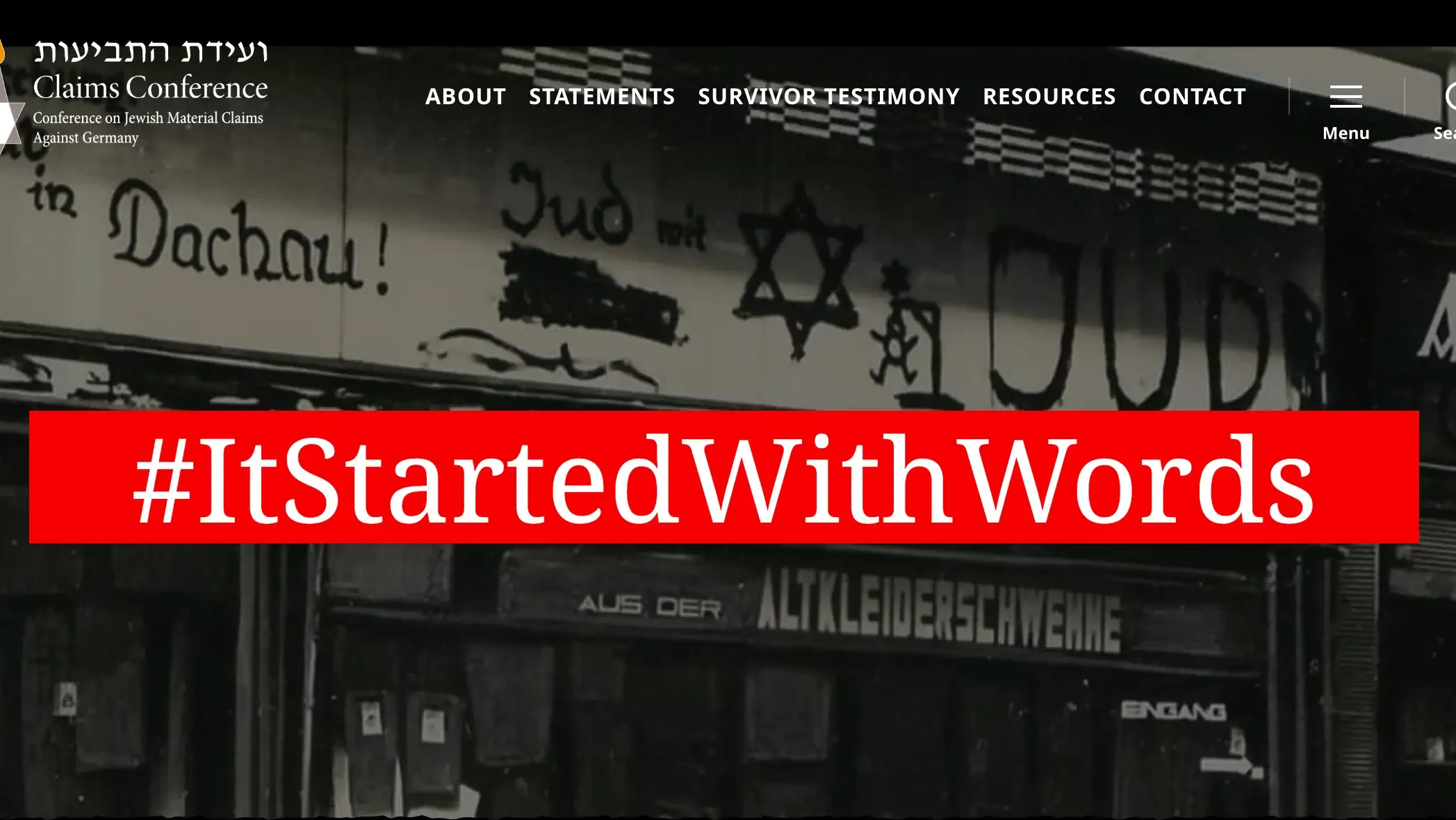
#It
Started WithWords
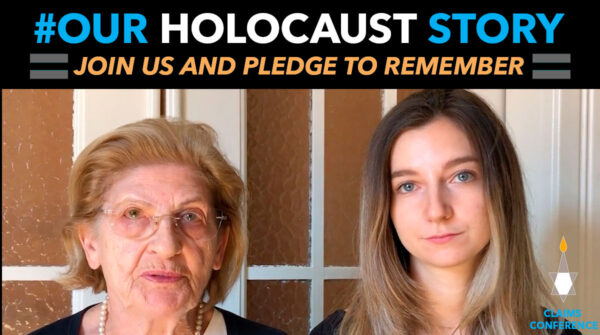
#Our
Holocaust
Story
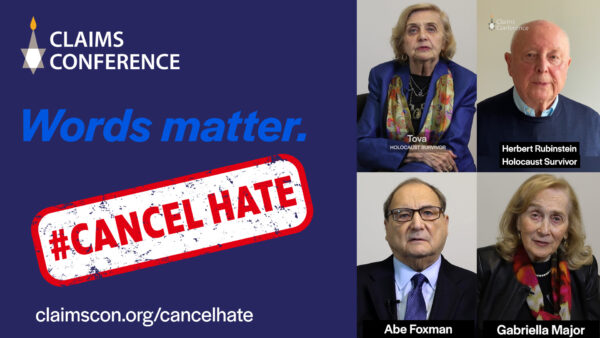
#Cancel
Hate
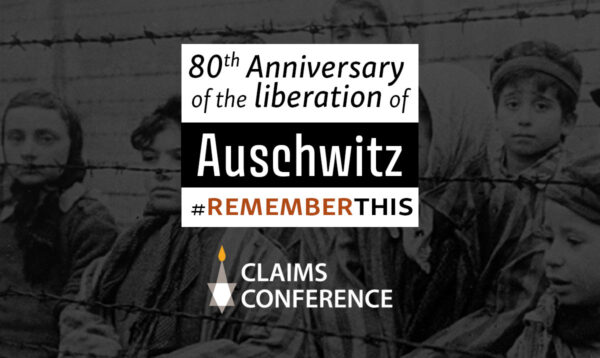
#Remember
This
Publications
Vanishing Witnesses
First-Of-Its-Kind Global Report on the Declining Population of Holocaust Survivors Underscores the Urgency to Engage With This Final Generation of Eyewitnesses
2025 Holocaust Survivors Worldwide:
A Demographic Overview
The Demographic Study Identifies Jewish Holocaust Survivors In More Than 90 Countries
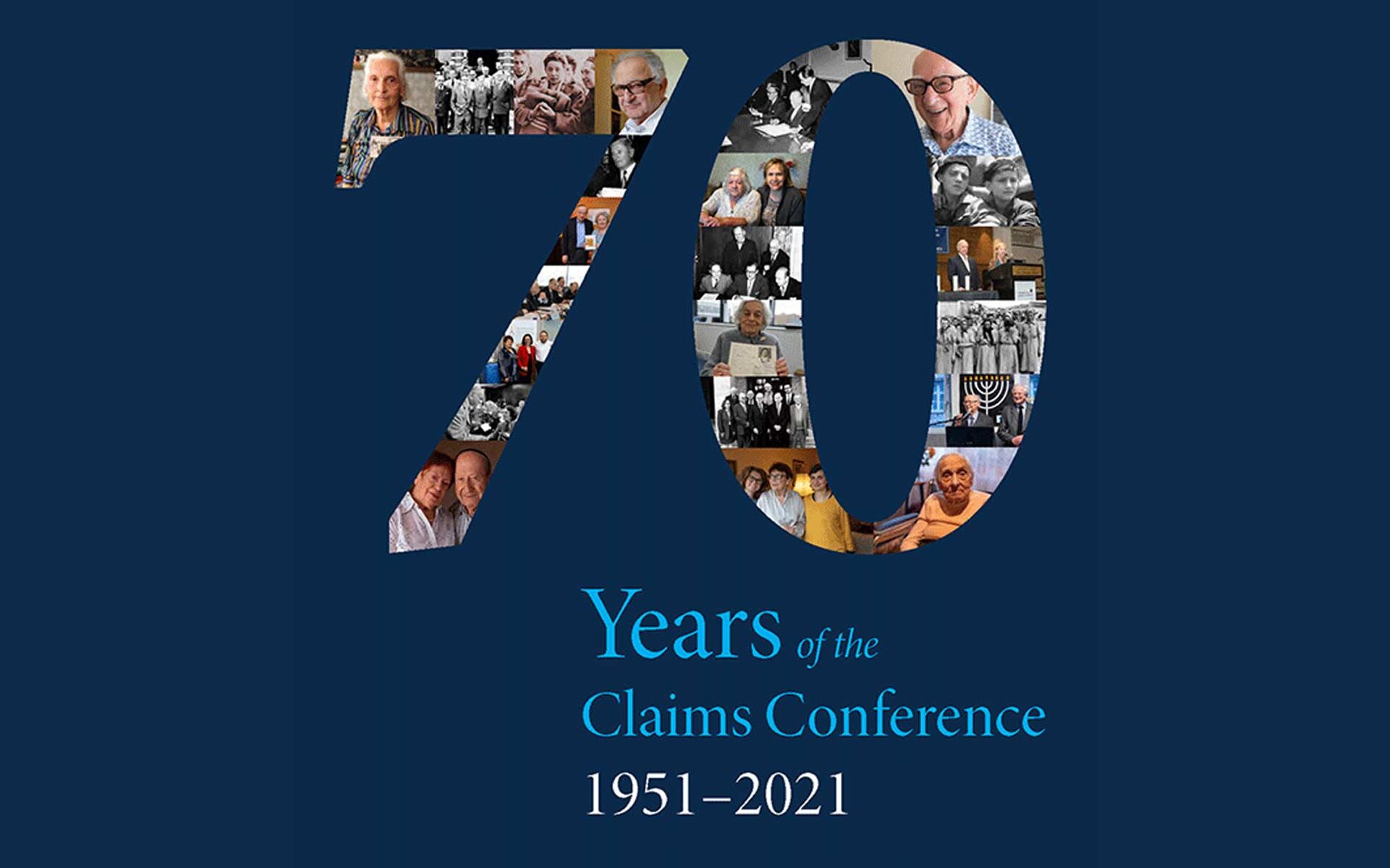
70th Anniversary Publication
In honor of the Claims Conference’s 70th Anniversary, we have prepared a booklet reflecting our work on behalf of survivors over the years.
L’Chaim
Read the latest issue of L’Chaim, the Claims Conference’s health and wellness newsletter for Holocaust survivors and their families.
Projects and Initiatives
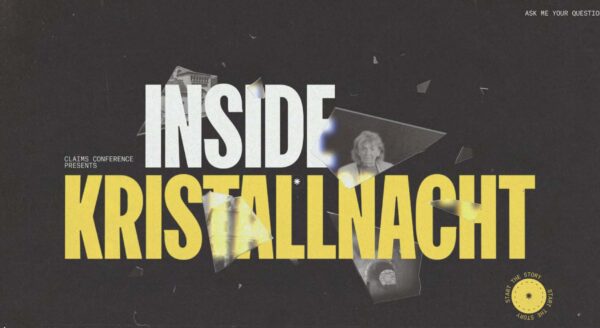
Inside Kristallnacht
Inside Kristallnacht is a mixed-reality project bringing you inside the Night of Broken Glass, when words of hate led to actions of hate.
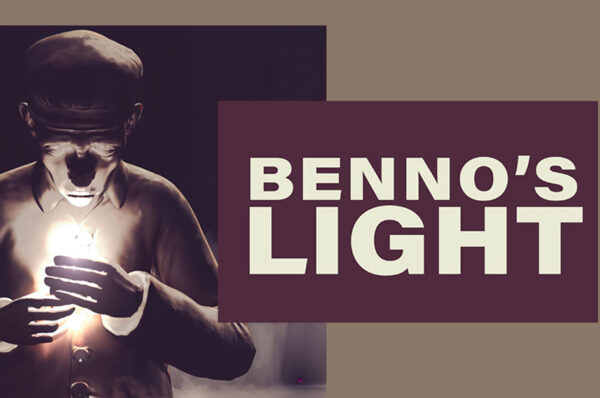
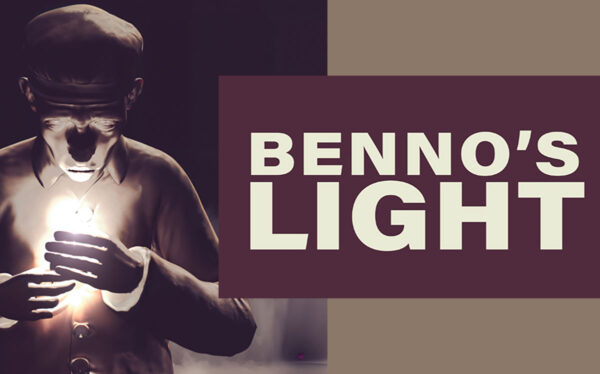
Benno’s Light
A Cutting-Edge Mixed-Reality Experience Detailing The Heartbreaking and Inspiring Story of Benno Kern, from Anschluss to Auschwitz to Liberation in Buchenwald.

The Claims Conference-WJRO Looted Art & Cultural Property Initiative
A comprehensive program toward the restitution of Jewish-owned art, Judaica, and other cultural property lost and plundered during the Holocaust.
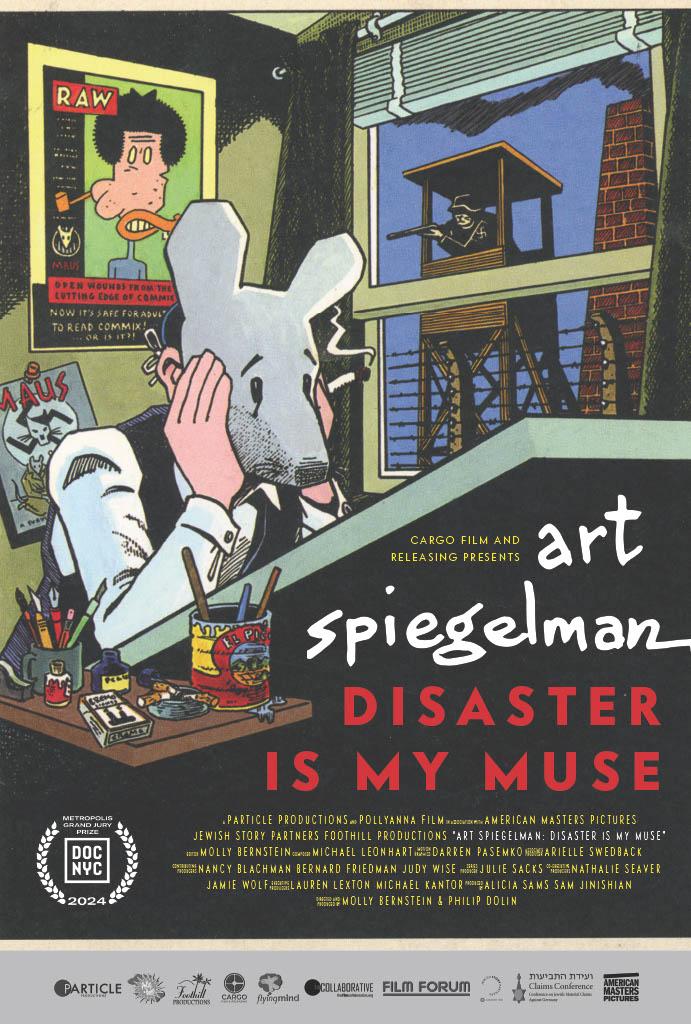
Claims Conference Film Grants
The Claims Conference provides film grants as part of its ongoing support for Holocaust research, education and documentation.
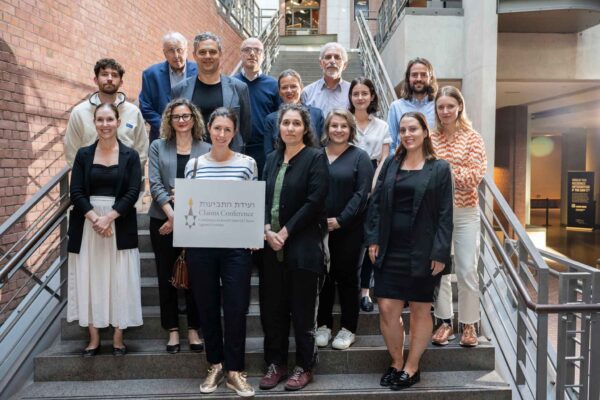
Claims Conference Saul Kagan Fellowship in Advanced Shoah Study
Each year, the Claims Conference offers fellowships for doctoral and postdoctoral candidates around the world conducting newly uncovered archival Holocaust research. Eligible emerging and early career scholars in History, Sociology, Jewish Studies, Political Science, Philosophy, Theology, Women’s Studies, and others pursue the advanced study of the systematically targeted destruction and persecution of Jews by the Nazis and their allies between 1933 and 1945 (and the immediate postwar period).
Claims Conference Survivor Speakers Bureau
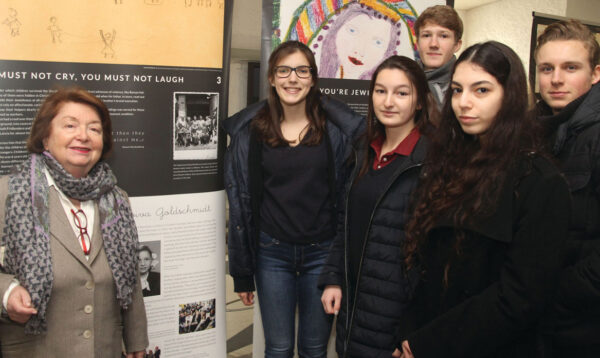
The Claims Conference has launched the Survivor Speakers Bureau (SSB), a vast program of over 270 Holocaust survivors willing and able to tell their critical stories to students around the world.
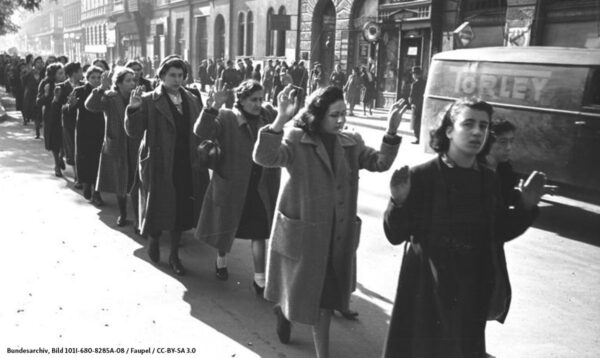
The First-Ever 8-Country Holocaust Knowledge And Awareness Index Shows Growing Gap In Knowledge About The Holocaust, Especially In Young Adults
The Majority Of Respondents In Almost Every Country Surveyed Feel Something Like The Holocaust Could Happen Again; A Majority Of Respondents Also Show Strong Desire For Holocaust Education
The Claims Conference has conducted nine surveys across eleven countries examining Holocaust knowledge and awareness worldwide
Our History
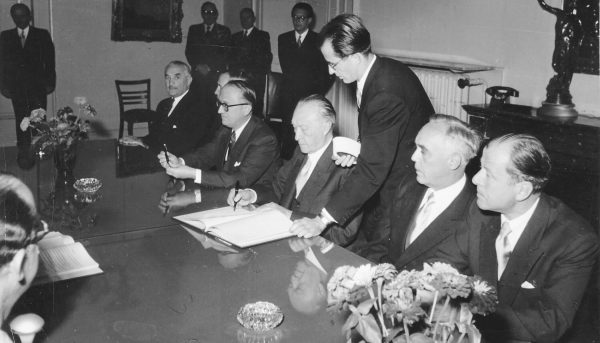
Founded in 1951 by representatives of 23 major international Jewish organizations, the Claims Conference negotiates for and disburses funds to individuals and organizations and seeks the return of Jewish property stolen during the Holocaust.