
For Meta headset
Instructions for Quest 3 set up:
https://www.meta.com/help/quest/articles/getting-started/getting-started-with-quest-3/set-up-quest-3/
Instructions for how to navigate to the browser:
https://www.meta.com/help/quest/articles/in-vr-experiences/oculus-apps/using-oculus-browser/.
General usage tips for Benno’s Light
Some scenes feature 360-degree environments. If using a mouse, click and drag to view all areas. With a headset, simply turn your head in whichever direction you would like. With a headset, hold your controllers but keep your hands at your sides during the experience except if prompted to interact.
NEW YORK, NEW YORK: June 3, 2026 — Today, the Conference on Jewish Material Claims Against Germany (Claims Conference) announced the launch of “Benno’s Light,” the heartbreaking and inspiring story of 98-year-old Holocaust survivor Benno Kern brought to life through cutting-edge, mixed-reality technology which allows people to walk through his story while using VR headsets or simply on their computers. Benno’s Light is the latest effort to expand access to Holocaust knowledge, meeting future generations in compelling and engaging ways.
Gideon Taylor, President of the Claims Conference, said, “Mixed reality is the technology of now and of the future. And it is precisely why it is so crucial that we tap into advanced technology to help future generations understand the Holocaust. We cannot let stories like Benno’s fade into the darkness.”
In partnership with the Austrian government, the Claims Conference collaborated with immersive technology company makemepulse to create a sensitive and evocative mixed-reality experience animating Kern’s words into a powerful testimony and educational experience for generations to come.
Christian Stocker, Austrian Federal Chancellor, said, “Holocaust remembrance is not only an obligation to the past, it is our mandate for the future. A vibrant and forward-looking culture of remembrance requires us to meet current and future generations where they are. Projects like Benno’s Light demonstrate how cutting-edge technology can preserve the voices of survivors in ways that are deeply personal, accessible and meaningful for young audiences today and tomorrow. Austria recognizes its historical responsibility to ensure that the truth of the Shoah remains alive through innovative educational tools that strengthen awareness, deepen understanding and sharpen our vigilance against antisemitism, hatred and intolerance in all forms.”
Benno Kern, born in 1927 in Vienna, Austria, recounts his life in the city he remembers for both its music and intellect, but also for the pogroms that scarred the hearts of those who remember. Kern explains to viewers how his joyful and innocent childhood turned to darkness as his relatives – and eventually his own immediate family – ran from the Nazis and were eventually captured by them. The XR project follows him as his family fled Vienna to Czechoslovakia, Belgium and Paris where the Nazis captured Benno and his parents, sending them to Auschwitz.
Benno Kern, Holocaust survivor and featured storyteller, said, “I’ll never forget my mother’s words: ‘You have the opportunity to stay alive. The decision is yours.’ I was the only member of my family to survive the Holocaust. This project has special meaning to me as I carried my family’s story for more than 80 years with uncertainty as to whether it would be remembered. I ask future generations to hear my words and carry them forward in your hearts. Let them light your way. And let them remind you what it means to carry compassion, even in the darkest of times.”
Benno’s Light builds on “Inside Kristallnacht,” the groundbreaking XR project the Claims Conference released in 2024. The inaugural XR project followed Dr. Charlotte Knobloch through the streets of Munich, Germany as she recounts the November Pogrom the night of November 9, 1938, when as a six-year-old she and her father hid from the Nazis terrorizing their Jewish community. Kristallnacht was the historic moment when a growing hatred peaked, catalyzing into acts of violence and rage, when citizens turned on their longtime neighbors, roaming the streets in mobs, breaking the glass of Jewish homes and shops. More than 30,000 Jewish men were arrested and deported to concentration camps during the days of Kristallnacht.
Alexander Pröll, State Secretary for the Austrian Federal Chancellery, said, “Holocaust education must continue to evolve to remain meaningful for future generations. Innovative projects, such as Benno’s Light, show how technology can strengthen remembrance by bringing survivor testimony into new educational and cultural spaces around the world. Remembering the Shoah demands that we actively counter antisemitism and hatred wherever they surface, reinforcing our shared responsibility to defend human dignity, historical truth, and democratic values.”
The launch of Benno’s Light at University of Vienna carries profound historical significance. Following the destruction of Vienna’s medieval synagogue and the murder and expulsion of Jews in 1421, stones from the synagogue were used in the construction of the earliest buildings of what would later become part of the University of Vienna. More than 500 years later, the university now serves as a place to confront that history openly and honestly, transforming a site once connected to the erasure of Jewish life into a space dedicated to remembrance, education and the preservation of survivor testimony for future generations.
Greg Schneider, Executive Vice President of the Claims Conference, said, “New technology allows us to engage younger generations, which is critical to ensure the lessons of the Shoah are never forgotten. Benno was the same age as today’s students when he was torn from his home by the Nazis and forced onto a deportation train to Auschwitz. XR technology allows Benno to once again be a 15-year-old, showing today’s 15-year-olds the result of unchecked hatred.”
This virtual reality project integrates real-life footage, photographs, music and other audio from the Anschluss to Auschwitz, as well as meticulously researched historical context, into the hand-drawn world of Kern’s story with stunning artwork created by immersive technology company, makemepulse. The mixed-reality project will be displayed in museums and film festivals, and accompanying educational materials are currently under development.
Nicolas Rajabaly, Co-Founder, Chief Creative Officer, makemepulse, said, “Benno’s Light was never about using technology for spectacle. The challenge was finding a way to preserve the intimacy and humanity of Benno’s testimony while creating a format capable of reaching new generations. What moved us most during the process was realizing that Benno’s memories were shaped less by places and more by the people who helped him survive. That insight fundamentally changed the experience we designed. We shifted away from historical reconstruction alone and focused instead on emotional proximity, presence and human connection. Immersive technology gave us the opportunity to transform testimony into something audiences could feel around them rather than simply observe from a distance.”
Benno’s Light was developed under the stewardship of the Claims Conference (Conference on Jewish Material Claims Against Germany) and the Committee for Jewish Claims on Austria, with the support of the Austrian Federal Chancellery.
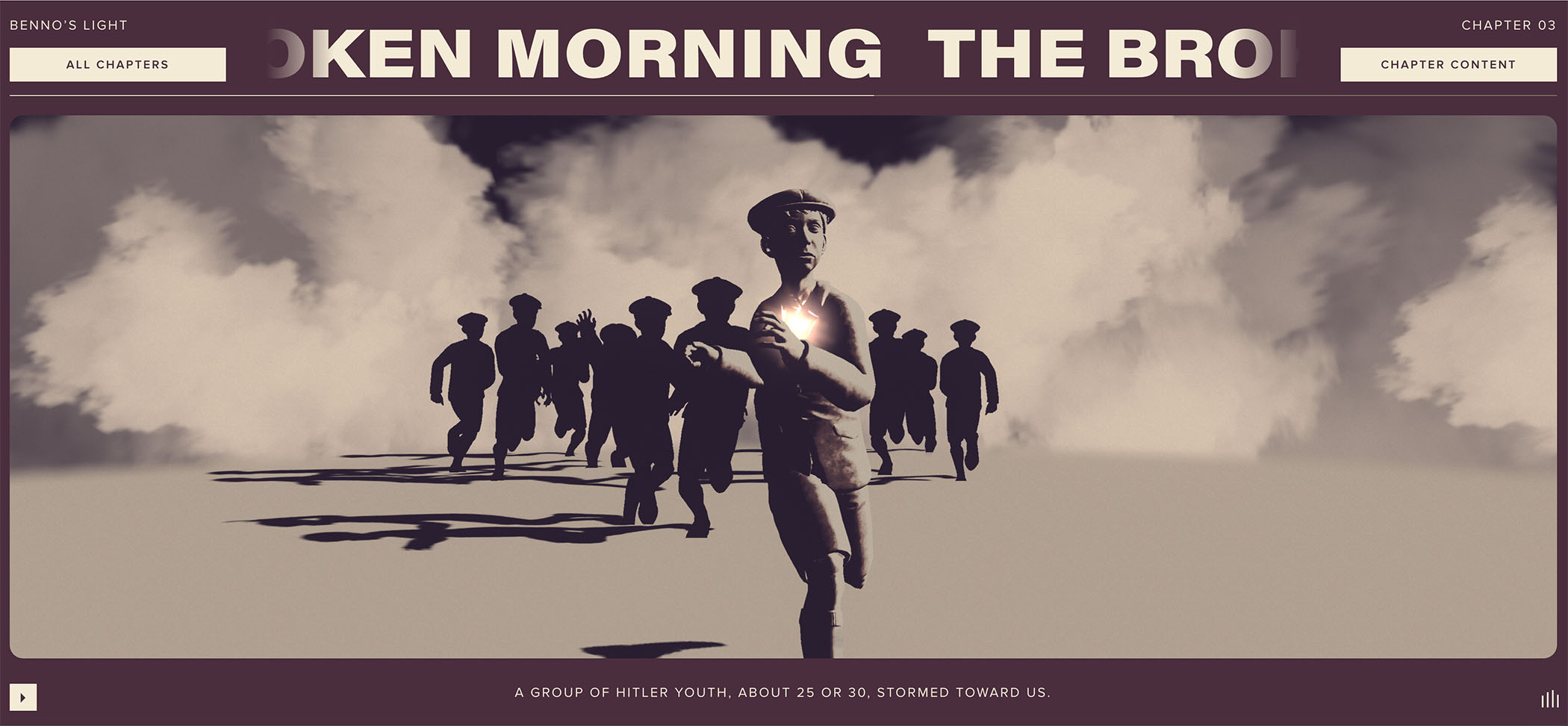
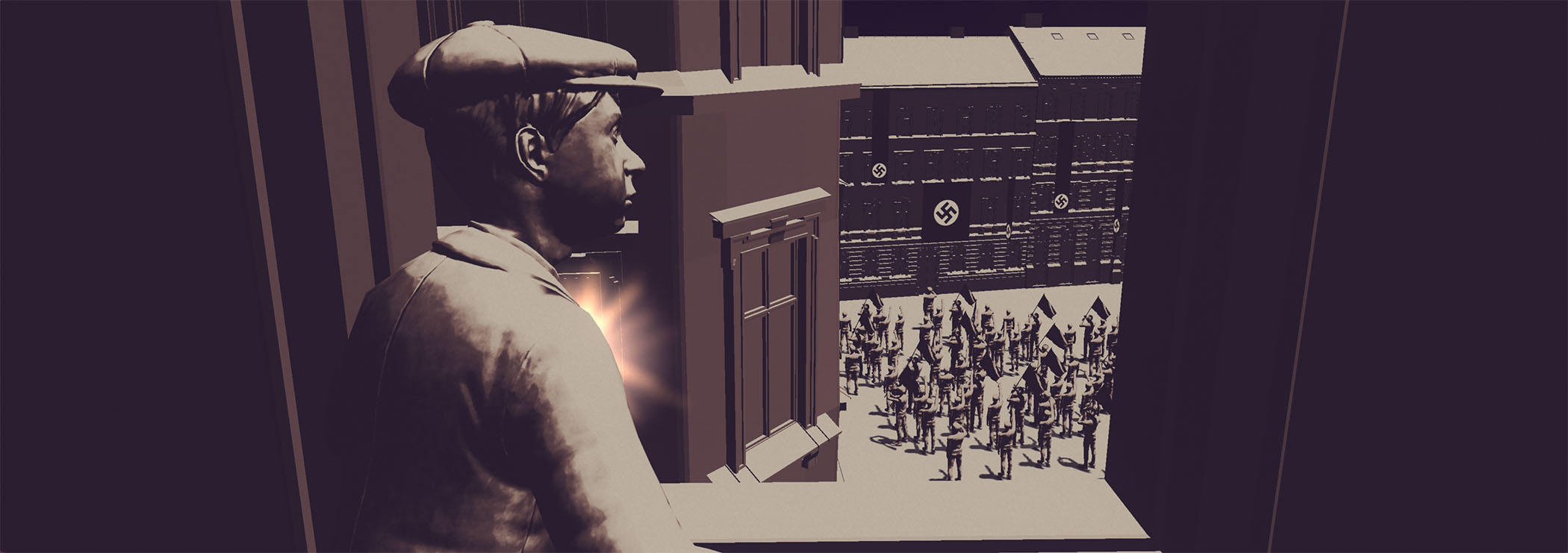
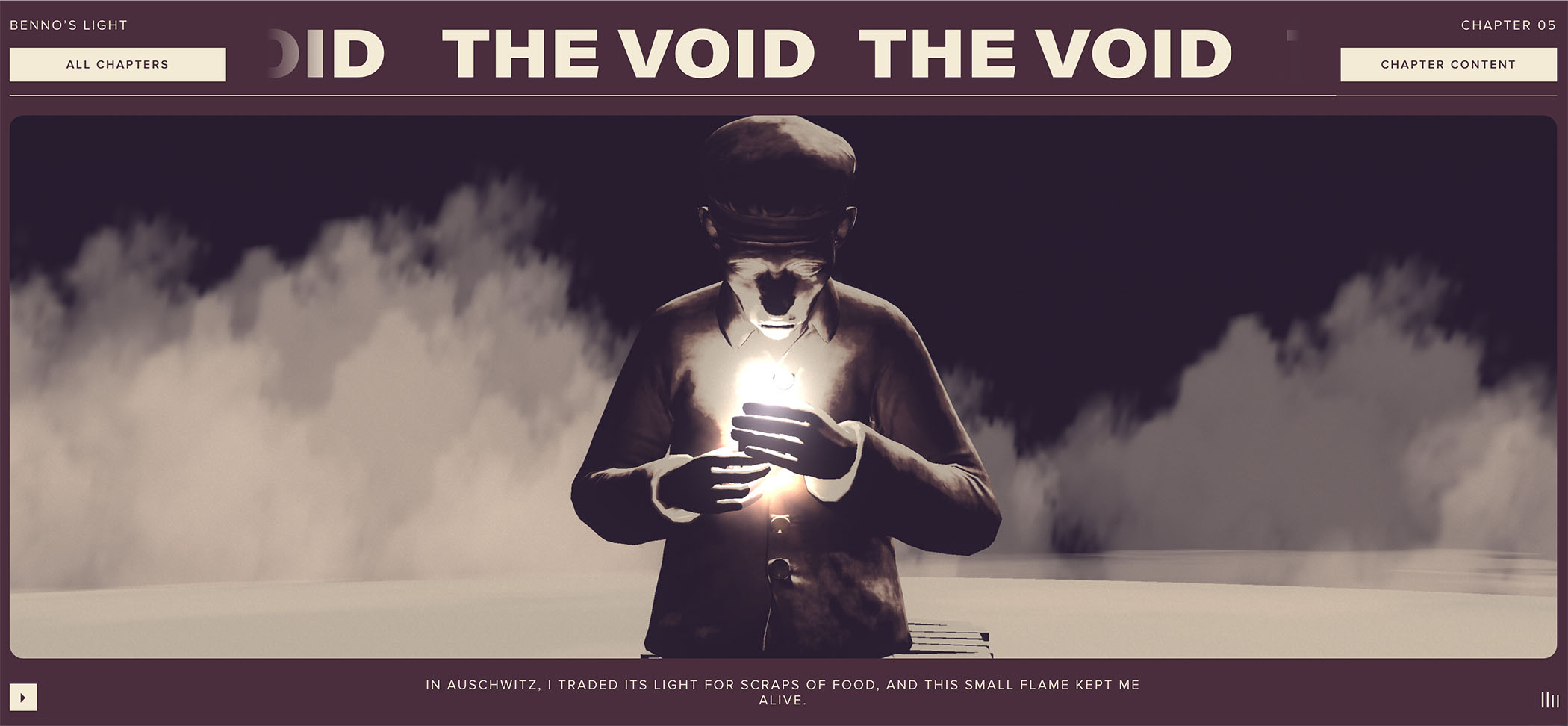
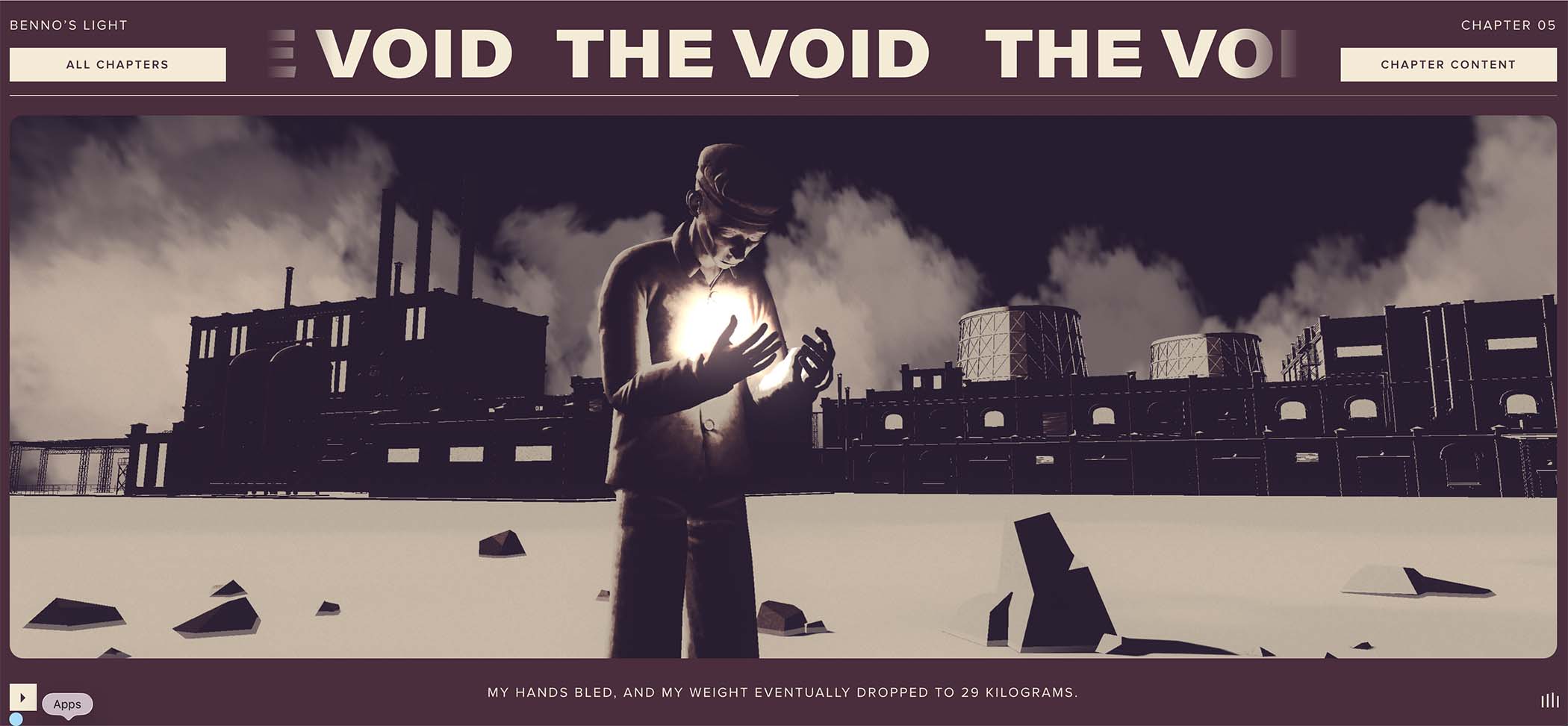
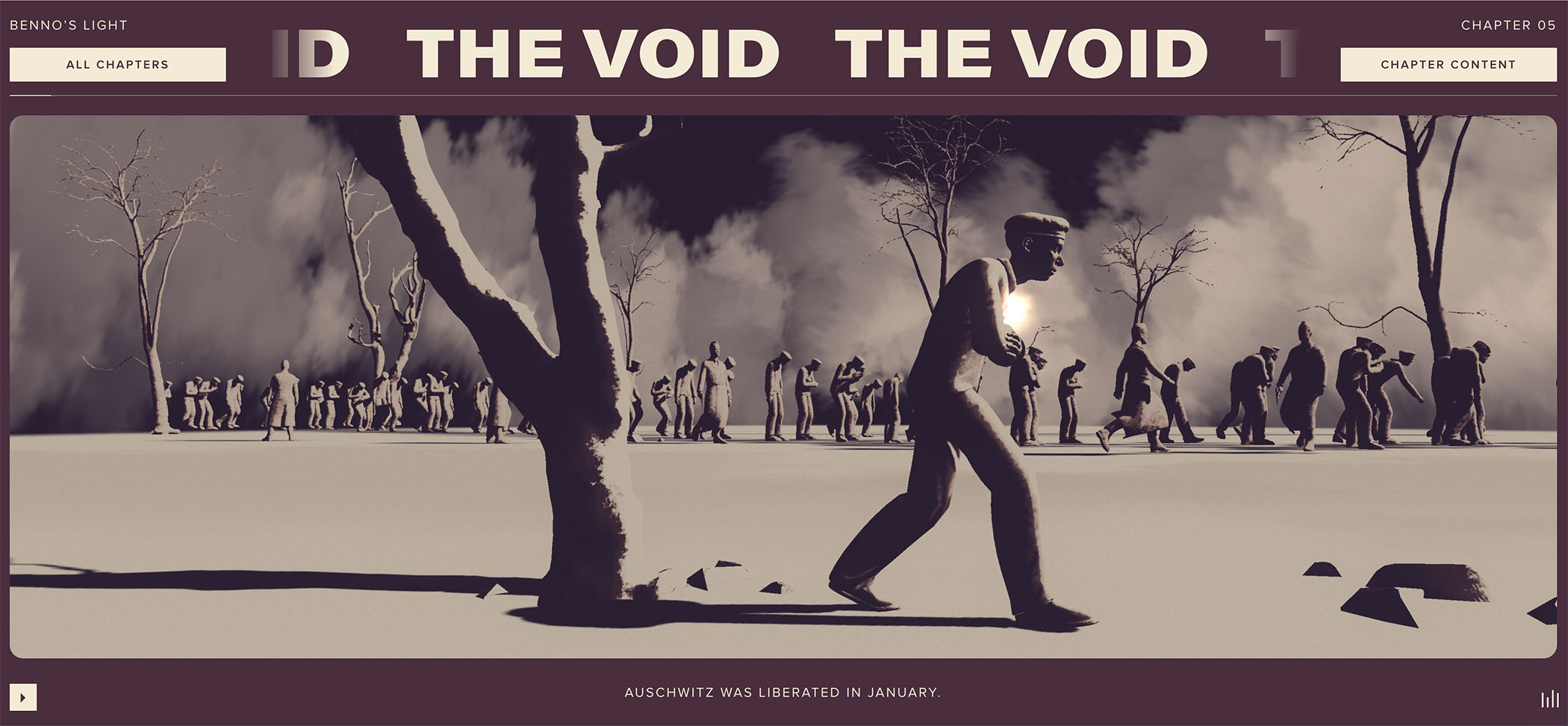
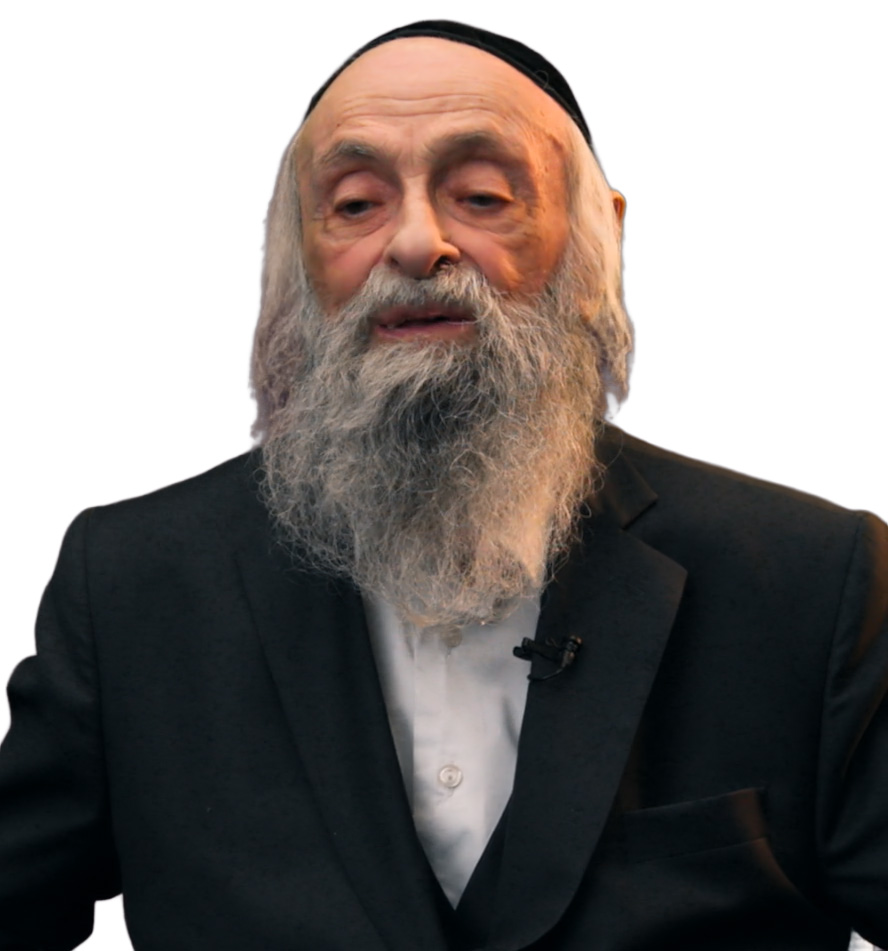
Benno Kern was born in 1927 in Vienna. His life was filled with joy and innocence until 1933, when relatives from Germany began to flee the hatred and antisemitism of Nazism to the Kern home in Austria. But Benno and his parents were also forced to flee, leaving Austria after the Anschluss. They went to Czechoslovakia and Belgium before reaching Paris. While attempting to flee France, the Kern family was arrested and sent to the Drancy concentration camp. From there, they were deported to Auschwitz-Birkenau, which was the last time Benno saw his mother. Benno and his father were forced into slave labor, then on a death march before the Soviet forces liberated Auschwitz. On that march, Benno’s father stepped in front of a bullet that an SS guard had intended for Benno. Benno Kern was eventually liberated from Buchenwald in April 1945. He was the only member of his family to survive.
Benno began rebuilding not only his own life after the Holocaust but also helping to rebuild Jewish life in Vienna and beyond. At the age of 18, he started a journey that would make him one of the key figures in the revival of Jewish communal and religious life in post-war Vienna and Austria. He was actively involved in supporting the slowly reemerging Jewish community in Vienna. He participated in the Bricha movement, assisting Jewish Holocaust survivors in their journey to Eretz Israel, then Mandatory Palestine, and played a role in efforts to acquire weapons for the nascent State of Israel during its formative years. On a private level, he was a merchant and textile producer. In 1953, Benno Kern married his wife, Frieda. They have dozens of children, grandchildren and great-grandchildren.
About the Claims Conference
The Conference on Jewish Material Claims Against Germany (Claims Conference), a nonprofit organization with offices in New York, Israel and Germany, secures material compensation for Holocaust survivors around the world. Founded in 1951 by representatives of 23 major international Jewish organizations, the Claims Conference negotiates for and disburses funds to individuals and organizations and seeks the return of Jewish property stolen during the Holocaust. As a result of negotiations with the Claims Conference since 1952, the German government has paid more than $90 billion in indemnification to individuals for suffering and losses resulting from persecution by the Nazis.
Learn more.
↑top
All content ⒸConference on Jewish Material Claims Against Germany (Claims Conference)