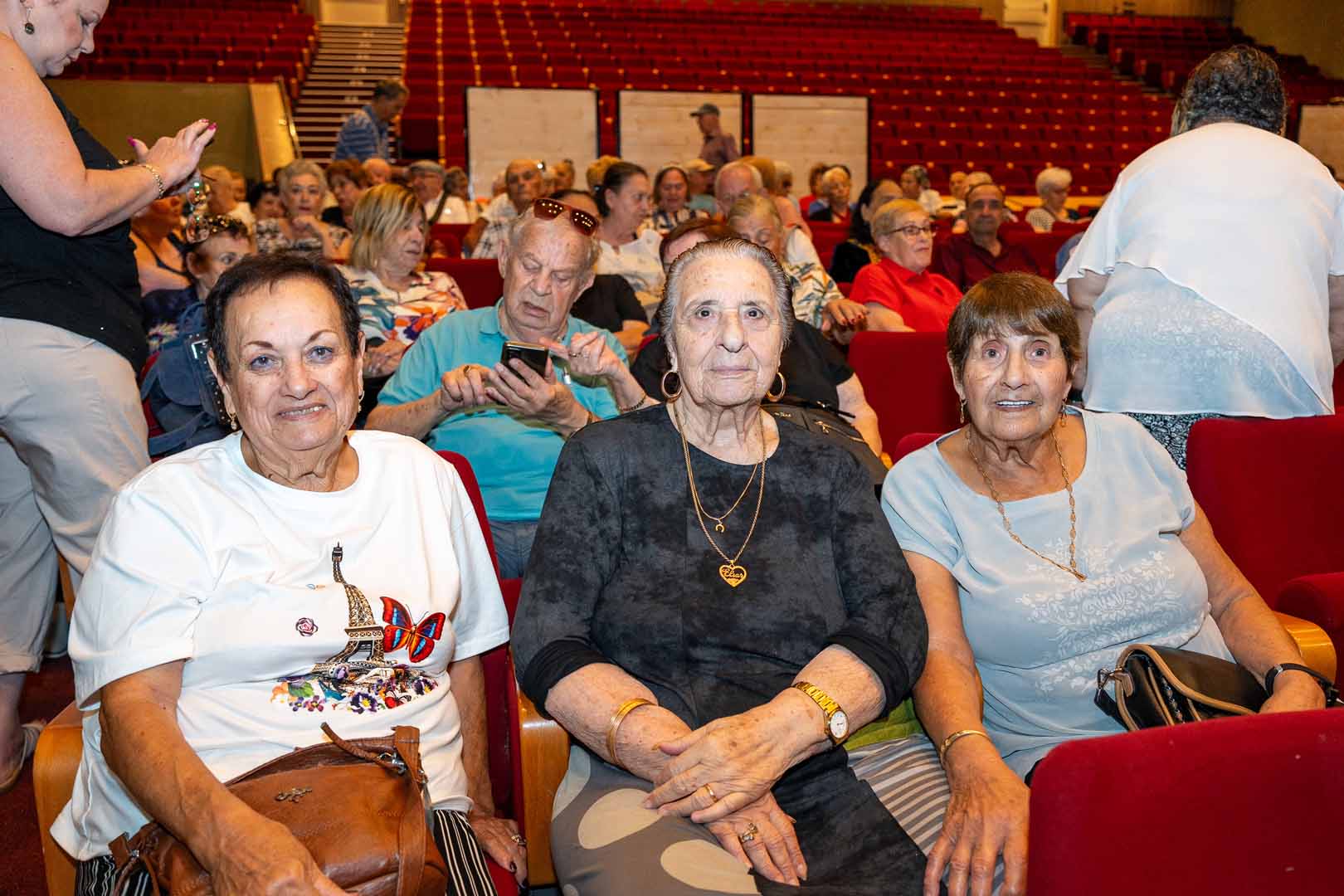
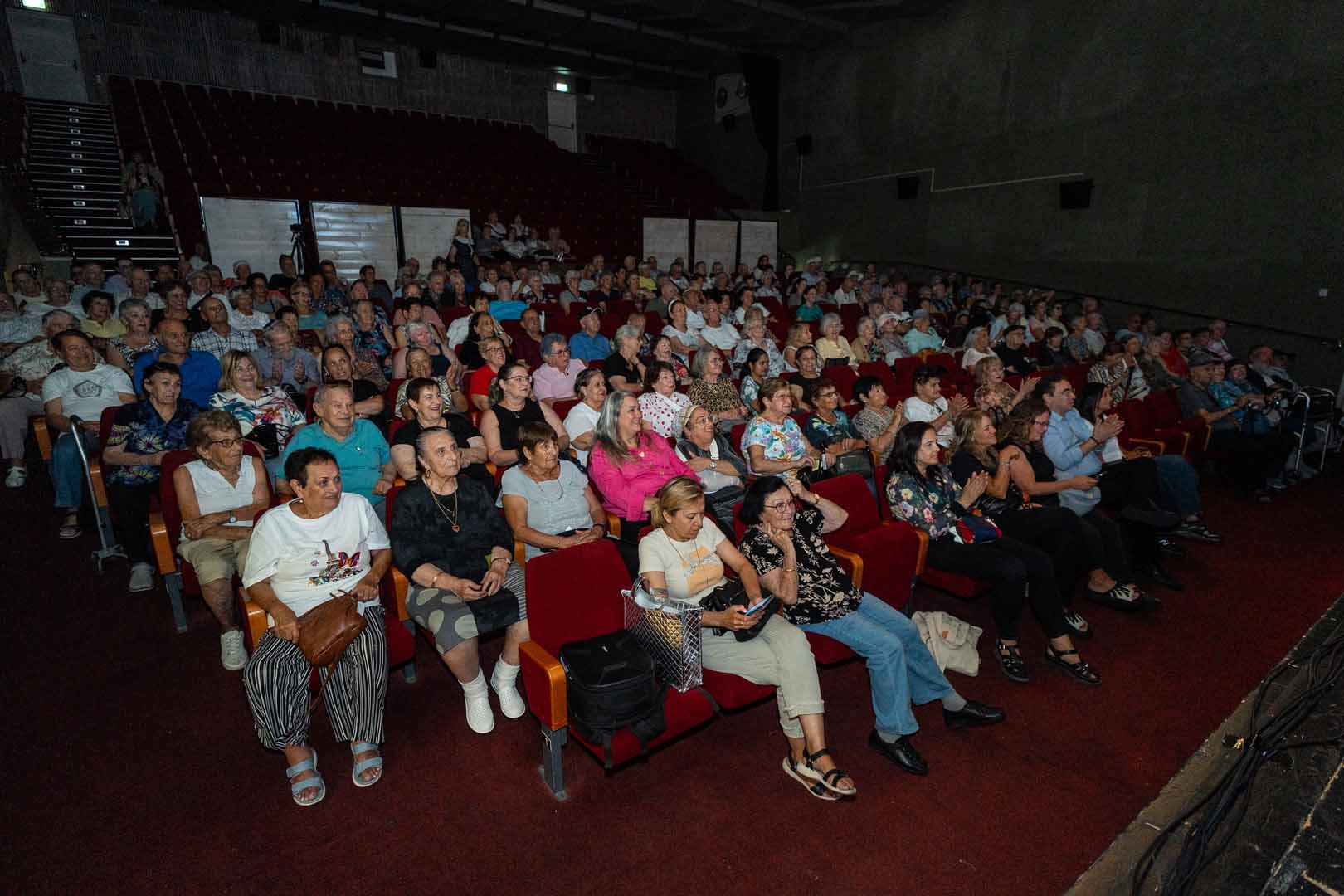
Holocaust survivors in Israel enjoying a musical performance organized by the Claims Conference
and the Municipality of Migdal HaEmek in celebration of the Jewish New Year.
As we prepare to welcome 5787, Rosh Hashanah gives us an opportunity not only to look forward, but also to reflect on the extraordinary year that has passed.
For the Jewish people, 5786 was a year of profound contrasts — of return and loss, strength and vulnerability, fear and resilience.
When 82-year-old Holocaust survivor Karen Diamond joined a peaceful walk in Boulder, Colorado, calling for the release of the hostages, she could hardly have imagined that simply gathering publicly with other Jews would put her life in danger.
A terrorist hurled fire bombs at the group, Mrs. Diamond was severely burned and later died from her injuries.
More than eighty years after the Shoah, a Holocaust survivor was once again murdered for being Jewish.
And Karen Diamond was not alone.
In Israel, 95-year-old Holocaust survivor Yvette Shmilovitz was killed when an Iranian ballistic missile struck her apartment building in Petah Tikva. In Washington, D.C., Sarah Milgrim and Yaron Lischinsky were murdered outside the Capital Jewish Museum. Jews were attacked at a synagogue in Manchester on Yom Kippur and murdered while celebrating Chanukah at Bondi Beach in Sydney.
It would be easy to look back at 5786 and see only the darkness.
But that would miss another part of the story.
This was also the year the remaining hostages came home. It was a year in which Israelis continued to rebuild communities devastated on October 7, families supported strangers and people emerged from bomb shelters and resumed their lives. It was a year when Jews around the world stood up to hate and made clear they would not be forced into the shadows or give up our fundamental rights.
Holocaust survivors have taught us that resilience does not mean being untouched by tragedy. It means refusing to allow tragedy to have the final word.
They survived ghettos, camps, hiding and flight. They lost parents, siblings, homes and entire communities. And then they rebuilt. They married. They raised children and grandchildren. They created communities. They helped build the State of Israel. They built Jewish lives, and Jewish communities, again and again.
Today, approximately 187,000 Holocaust survivors live around the world. With every passing Rosh Hashanah, there are fewer of them with us.
For those of us at the Claims Conference, that gives this moment particular urgency. Our responsibility is not only to help survivors live their remaining years with dignity, but also to help them remain connected to the communities and traditions they fought so hard to rebuild.
Sometimes that happens in very simple ways.
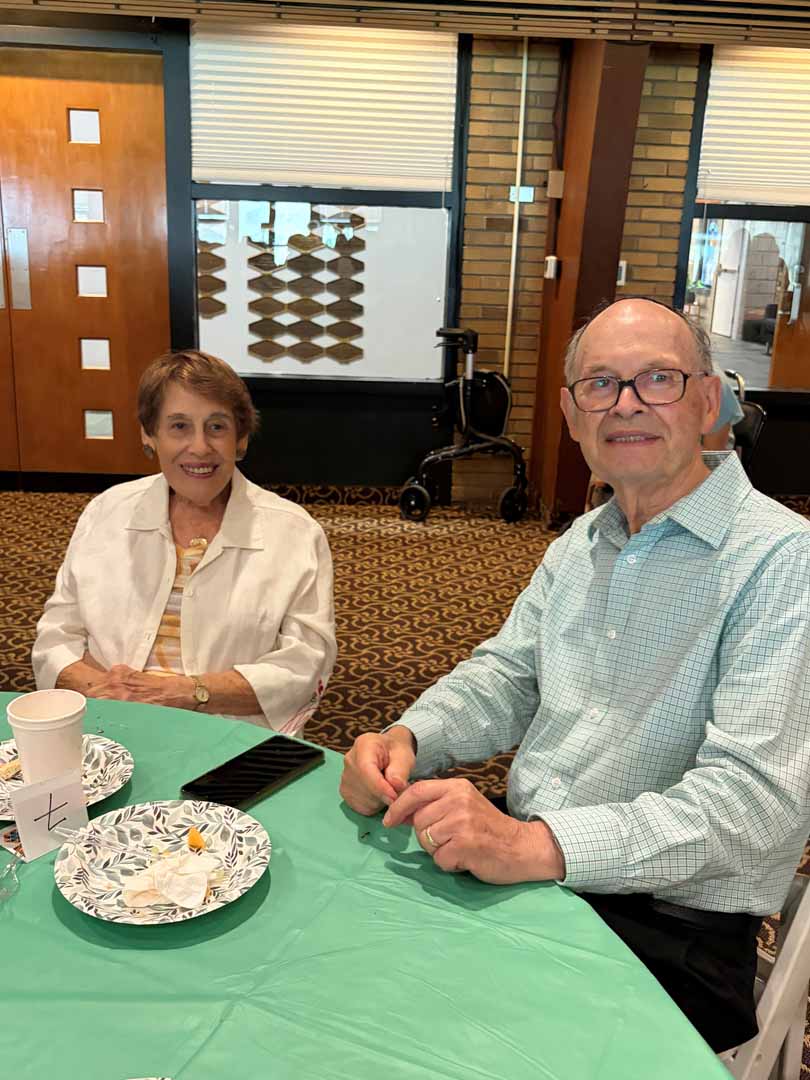
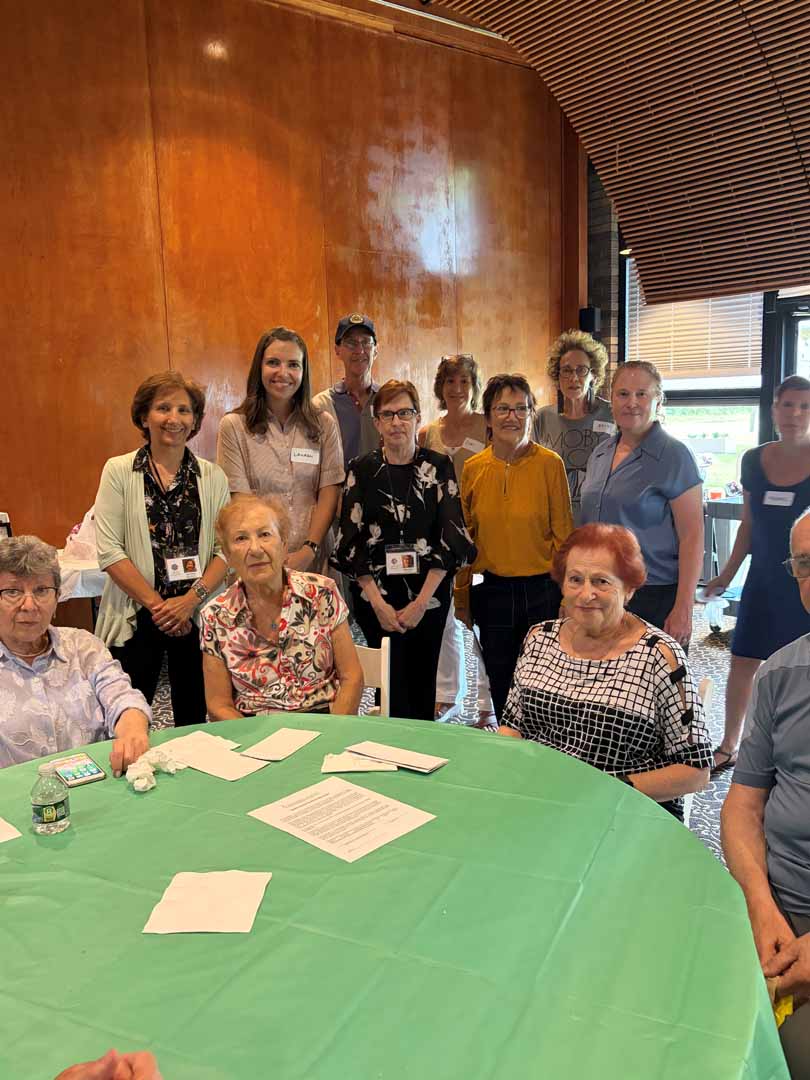
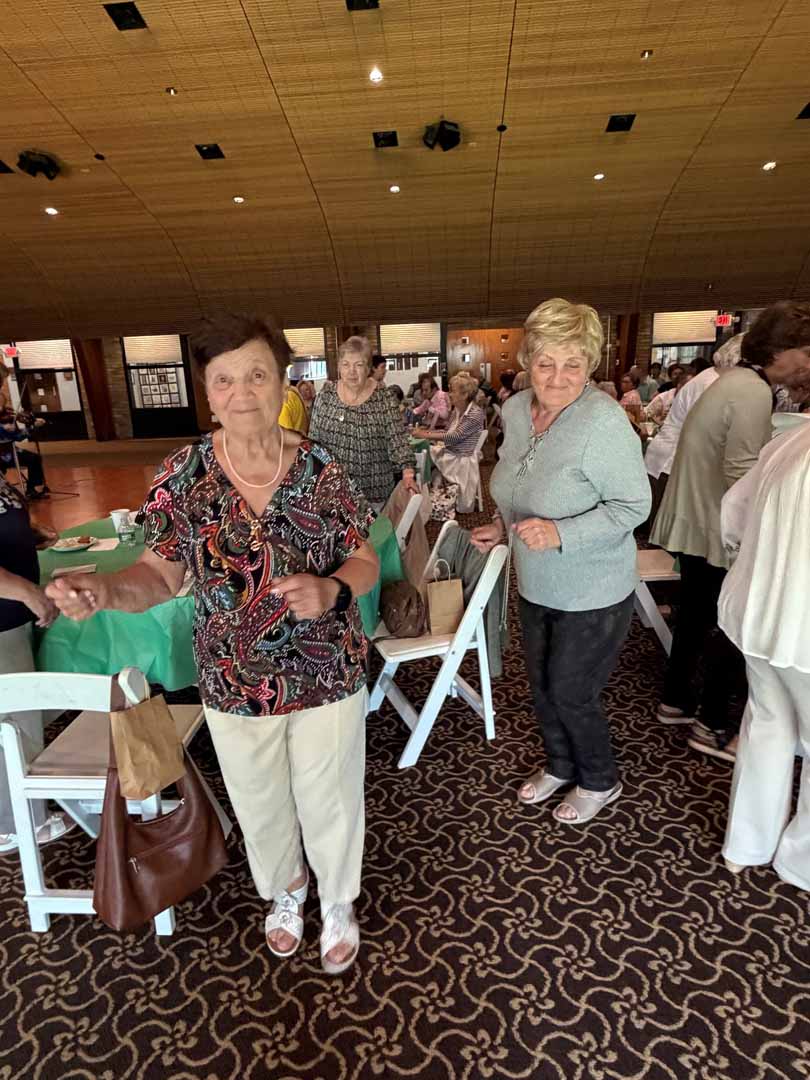
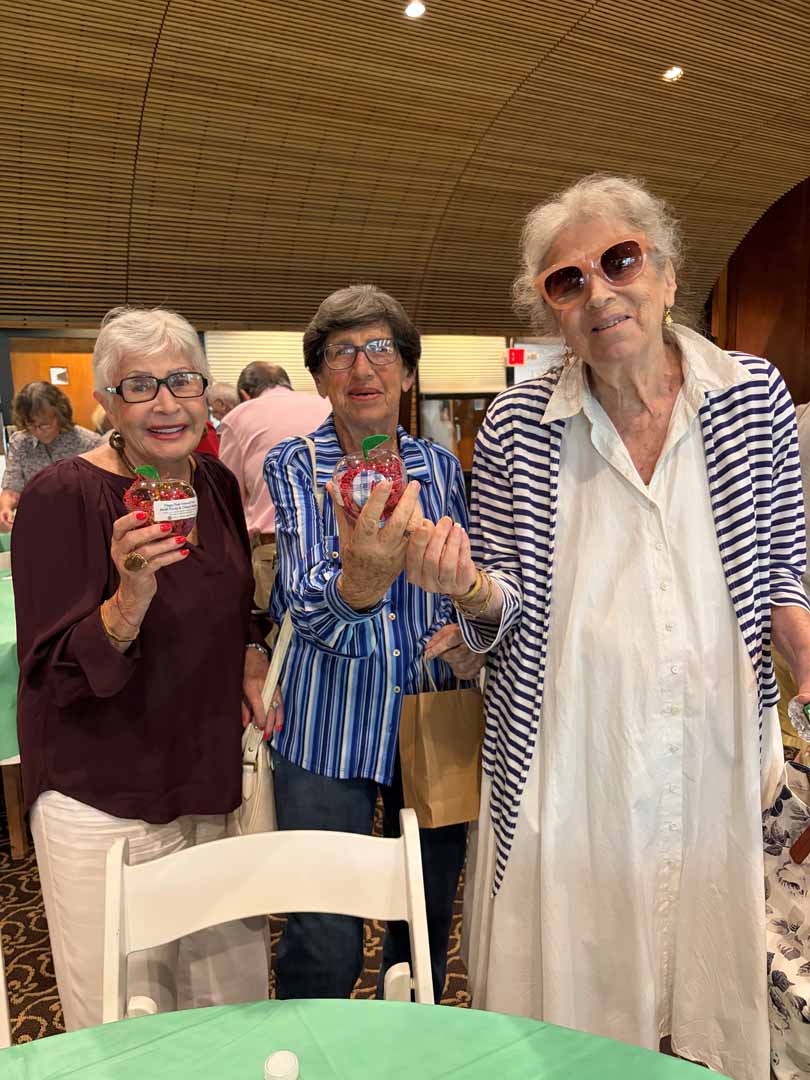
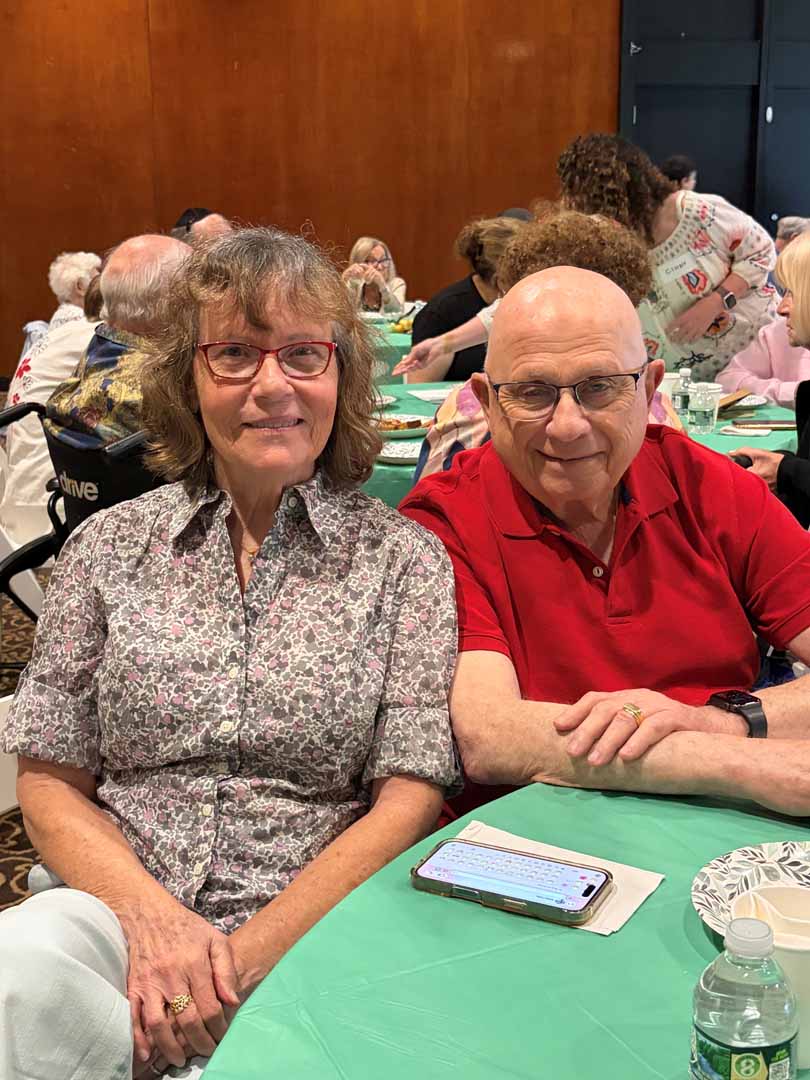
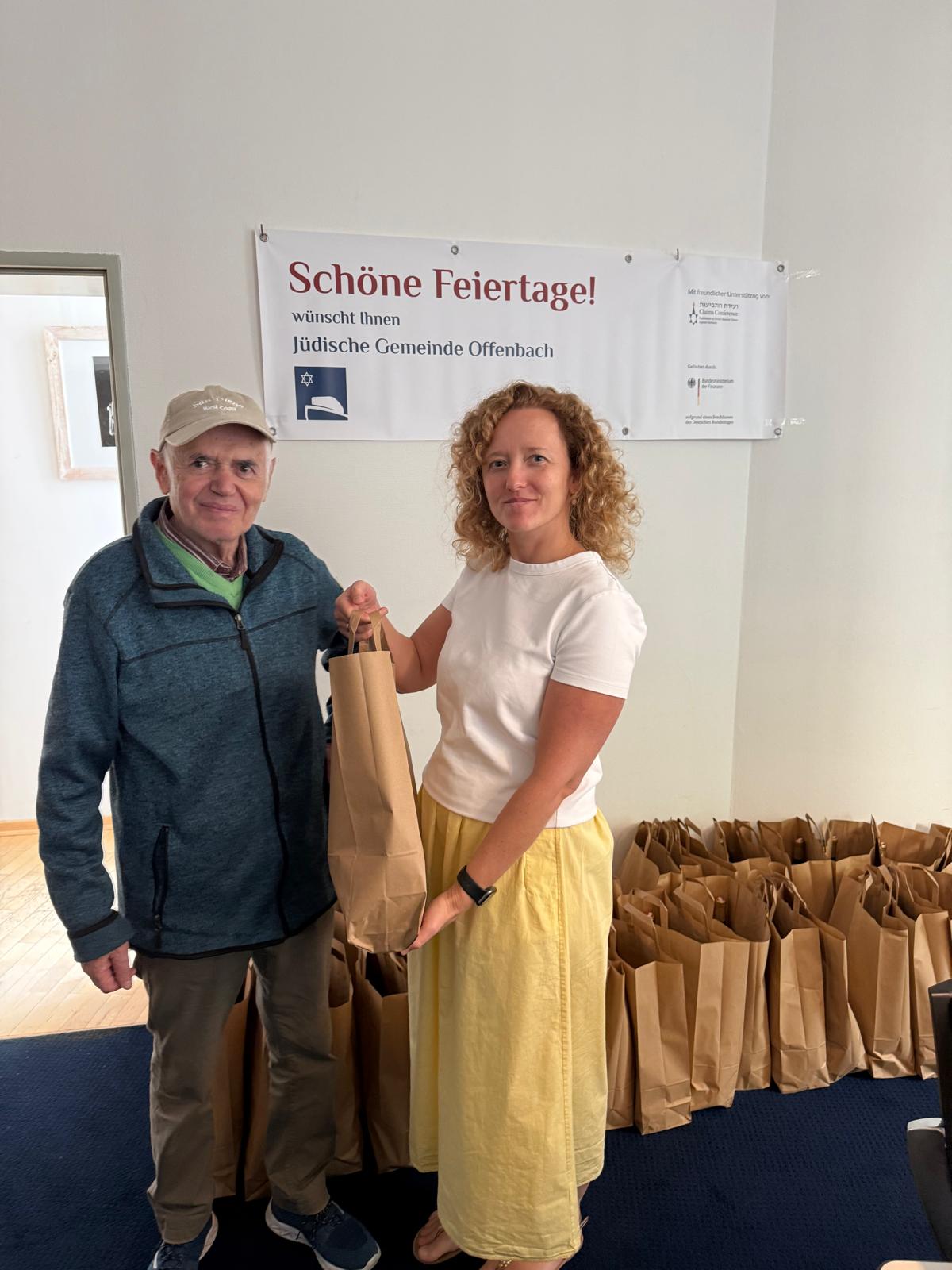
In Israel, hundreds of survivors recently gathered for music and celebration in Migdal HaEmek. In New Jersey, nearly 50 survivors came together for a High Holiday Café Europa, eating, dancing and reconnecting with old friends. In Cincinnati, Russian-speaking survivors will celebrate Rosh Hashanah together, including women who grew up in the Soviet Union with few opportunities to openly celebrate Jewish holidays. And in Offenbach, Germany, Rosh Hashanah food packages are being prepared for survivors — with caregivers personally delivering them to those who can no longer leave their homes.
These may seem like small moments. They are not.
These moments are happening in towns and cities across the globe. A survivor hearing familiar Jewish music. Friends sitting together around a holiday table. Someone who once had to hide her Jewish identity proudly celebrating Rosh Hashanah. An elderly survivor answering the door and finding someone there to wish him or her a Shanah Tovah.
This, too, is resilience.
And it is something we carry with us even today, when we need to enter a synagogue surrounded by security guards and barriers. While unsettling, something deeply powerful about what happens next.
We enter.
We pray. We learn. We celebrate. We send our children to Jewish schools. We build sukkot. We dance on Simchat Torah. We light Chanukah candles publicly.
Holocaust survivors have been doing their own version of that for more than eighty years.
They refused to allow those who sought to destroy the Jewish people to determine the Jewish future.
As we enter 5787, that responsibility increasingly belongs to us.
We remember those we lost, including those killed on Sept 11, as we solemnly mark the 25th anniversary today. We embrace those who returned. We care for the Holocaust survivors still among us. And we carry their stories, and their extraordinary resilience, forward.
That is how we honor them. And that is how, even after the darkest moments, the Jewish people begin again.
That renewal is central to the words we’ll say tonight when we dip the apple into the honey and intone our hopes for the year ahead:
יְהִי רָצוֹן מִלְפָנֶיךָ שֶׁתְּחַדֵּשׁ עָלֵנוּ שָׁנָה טוֹבָה וּמְתוּקָה
May it be Your will to renew us for a good and sweet year.
Let us each do our part to make that prayer a reality.
Shanah Tovah.
Greg Schneider,
Executive Vice President